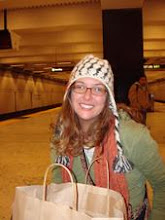
Looking through another's eyes allows you to view the world from a perspective other than your own. To see things through another cultural lens.
Looking through another's eyes also allows you to see yourself, your culture, your interaction with others and the world around you from the perspective of others.
This experience has been a true journey into and away from myself. Each day, whether consciously or unconsciously, I learned more about myself, who I am, who I want to become.
I have seen and experienced many beautiful, unique, heart breaking, and utterly shocking things. Things that no matter how out of this world amazing or how horrific they may be, I am always reminded that they are all part of the human experience. The unique yet interrelated exchanges between one person and another, between mother nature and the human race, between the sun and the moon, the earth and the sea.
Thank you for reading and allowing me to share my life as a VSO volunteer in Papua New Guinea. Although I will not be making any new posts, I will not stop looking through another's eyes.
Saturday, February 27, 2010


The Network
The Network is Papua New Guinea’s National Disability Magazine
Edition 20: Millennium Development Goals: Is PNG Meeting Them? I have co-authored an article (pg. 12) about Goal 2: Achieving Universal Primary Education.
The Network is an awareness activity of the National Disability and Advocacy Center (NDRAC) based at Divine Word University in Madang. NDRAC recently became its own ngo and is currently staffed by 2 dedicated persons. The Network is distributed within PNG and internationally. Contact NDRAC (thenetwork@dwu.ac.pg) if you are interested in joining the mailing list or contributing to its content.
Edition 20: Millennium Development Goals: Is PNG Meeting Them? I have co-authored an article (pg. 12) about Goal 2: Achieving Universal Primary Education.
The Network is an awareness activity of the National Disability and Advocacy Center (NDRAC) based at Divine Word University in Madang. NDRAC recently became its own ngo and is currently staffed by 2 dedicated persons. The Network is distributed within PNG and internationally. Contact NDRAC (thenetwork@dwu.ac.pg) if you are interested in joining the mailing list or contributing to its content.
Thursday, February 25, 2010
10 Facts about disability, poverty and education in developing countries
1. Ninety-eight percent of children with disabilities in developing countries do not have access to education, 98%!! (UNESCO)
2. The United Nations Convention on the Rights of Persons with Disabilities, which was adopted in 2006 after four years of negotiations, is the first human rights Convention of the 21st century, and addresses civil, political, social economic and cultural rights. So far, it is ratified by 25 countries (UNCRPD)
3. 50% of children who are deaf and 60% of those with an intellectual impairment are sexually abused (Save the Children Alliance as quoted on CRIN.org)
4. Hunger is the most extreme form of poverty; 1.02 billion people across the world are hungry; everyday almost 16,000 children die from hunger-related causes--one child every five seconds (bread.org)
5. Poor nutrition and calorie deficiencies cause nearly one in three people to die prematurely or have disabilities (WHO)
6. Every year, more than 20 million low-birth weight babies are born in developing countries. These babies risk dying in infancy, while those who survive often suffer lifelong physical and cognitive disabilities. (WHO)
7. In 1998 the US spent over $8 Billion in cosmetics, Europe spent $50 Billion in cigarettes. Compare that to what was estimated as additional costs to achieve universal access to basic social services in all developing countries: to basic education $8 Billion, to basic health and nutrition $11 Billion (Globalissues.org)
8. In Africa, only 62% of pupils complete primary education and are therefore ready to pursue their studies, compared to an average completion rate of 94% in North America and 88% in Asia . ( UNESCO Institute for Statistics)
9. The average primary school class in low income countries has a 60-to-1 student-teacher ratio (World Bank)
10. 80% of persons with disabilities live in developing countries (UNDP)
2. The United Nations Convention on the Rights of Persons with Disabilities, which was adopted in 2006 after four years of negotiations, is the first human rights Convention of the 21st century, and addresses civil, political, social economic and cultural rights. So far, it is ratified by 25 countries (UNCRPD)
3. 50% of children who are deaf and 60% of those with an intellectual impairment are sexually abused (Save the Children Alliance as quoted on CRIN.org)
4. Hunger is the most extreme form of poverty; 1.02 billion people across the world are hungry; everyday almost 16,000 children die from hunger-related causes--one child every five seconds (bread.org)
5. Poor nutrition and calorie deficiencies cause nearly one in three people to die prematurely or have disabilities (WHO)
6. Every year, more than 20 million low-birth weight babies are born in developing countries. These babies risk dying in infancy, while those who survive often suffer lifelong physical and cognitive disabilities. (WHO)
7. In 1998 the US spent over $8 Billion in cosmetics, Europe spent $50 Billion in cigarettes. Compare that to what was estimated as additional costs to achieve universal access to basic social services in all developing countries: to basic education $8 Billion, to basic health and nutrition $11 Billion (Globalissues.org)
8. In Africa, only 62% of pupils complete primary education and are therefore ready to pursue their studies, compared to an average completion rate of 94% in North America and 88% in Asia . ( UNESCO Institute for Statistics)
9. The average primary school class in low income countries has a 60-to-1 student-teacher ratio (World Bank)
10. 80% of persons with disabilities live in developing countries (UNDP)
Saturday, February 20, 2010
10 Favorite travel destinations of mine in '09 and why
When I first decided to start a blog I was leaving for the Peace Corps and the blog's primary purpose was to keep my close friends and family up to date with my new experiences. Since then my blogging has evolved to include social, political and developmental issues (not claiming to have any expert knowledge beyond my personal grassroot perspective). But mostly I use the blog as a personal journal to remind myself of small things that have made big impacts on my life; to remind me of the lessons I have learned (and most often the hard way), the people I have met and places I have been. Which brings me to another list of 10: Favorite travel destinations of mine in '09 and why
1. Singapore is a busy and clean city with loads of diversity. It has endless shopping along Orchid Road and it is easy to explore places like China town, Little India and Raffles Hotel for a Singapore Sling!
2. Yogyakarta is a wonderful blend of Indonesian culture with the magnificent Borobudur (Buddhist) and Prambanan (Hindu) Temples, delicious vegetarian dishes and Via Via's off the beaten path tours. I particularly enjoyed the Religion Tour of temples and learning about the religions blends in Java.
3. Langkawi, Malaysia is a great place to relax on the beach and still enjoy inexpensive luxuries like the Red Tomatoe's mexican pasta dish and the all night dance clubs!
4. Sepik River, East Sepik Papua New Guinea was the most incredible adventure of my life! Crocodiles, canoes, fishing villages, marsupials, carvings, weaving, a culture that must be experienced!
5. Kar Kar Island, PNG, beautiful black sand beaches, lush coconut plantations, and volcano!
6. Goroka, Eastern Highlands PNG is known for its incredible coffee, Asaro Mudmen, and the Goroka festival
7. Hong Kong--top class Asian city! Food, shopping, culture, ferry from Kowloon to Victoria Harbour
8 and 9. The border crossing between Jayapura Indonesia and Vanimo, Papua New Guinea. The views are stunning, lush tropical trees and the pristine sea. The vibrant colors, the pureness of it all, simply untouched. The traditional villages spotted along the coast. All this contrasted by the adventure of riding with armed guards during the often times unstable border crossing! There is notable contrast between the two border towns, both beauty and beast.
10. Madang, PNG. Not called the Prettiest Town in the Pacific for nothing. Singsings, flora and fauna, spectacular reefs and fishes, countless islands with an amazing mountainous backdrop. A must for all adventurous travelers and avid divers,
1. Singapore is a busy and clean city with loads of diversity. It has endless shopping along Orchid Road and it is easy to explore places like China town, Little India and Raffles Hotel for a Singapore Sling!
2. Yogyakarta is a wonderful blend of Indonesian culture with the magnificent Borobudur (Buddhist) and Prambanan (Hindu) Temples, delicious vegetarian dishes and Via Via's off the beaten path tours. I particularly enjoyed the Religion Tour of temples and learning about the religions blends in Java.
3. Langkawi, Malaysia is a great place to relax on the beach and still enjoy inexpensive luxuries like the Red Tomatoe's mexican pasta dish and the all night dance clubs!
4. Sepik River, East Sepik Papua New Guinea was the most incredible adventure of my life! Crocodiles, canoes, fishing villages, marsupials, carvings, weaving, a culture that must be experienced!
5. Kar Kar Island, PNG, beautiful black sand beaches, lush coconut plantations, and volcano!
6. Goroka, Eastern Highlands PNG is known for its incredible coffee, Asaro Mudmen, and the Goroka festival
7. Hong Kong--top class Asian city! Food, shopping, culture, ferry from Kowloon to Victoria Harbour
8 and 9. The border crossing between Jayapura Indonesia and Vanimo, Papua New Guinea. The views are stunning, lush tropical trees and the pristine sea. The vibrant colors, the pureness of it all, simply untouched. The traditional villages spotted along the coast. All this contrasted by the adventure of riding with armed guards during the often times unstable border crossing! There is notable contrast between the two border towns, both beauty and beast.
10. Madang, PNG. Not called the Prettiest Town in the Pacific for nothing. Singsings, flora and fauna, spectacular reefs and fishes, countless islands with an amazing mountainous backdrop. A must for all adventurous travelers and avid divers,
Monday, January 18, 2010
10 Favorites of Papua New Guinea
(In no particular order…except for Asaro Mud Men…they have to be #1)
1. Asaro Mud Men
2. ‘Bird of Paradise’ flowers
3. Jolanda, Marleen and the Nissan.
4. Flying Foxes
5. Kranget Island
6. Kundiawa Coffee Shop
7. Bilums
8. Eden’s Restaurant
9. Kalibobo Second Hand Shop
10. Kulau
1. Asaro Mud Men
2. ‘Bird of Paradise’ flowers
3. Jolanda, Marleen and the Nissan.
4. Flying Foxes
5. Kranget Island
6. Kundiawa Coffee Shop
7. Bilums
8. Eden’s Restaurant
9. Kalibobo Second Hand Shop
10. Kulau
Friday, January 15, 2010
Sunday, December 13, 2009
Hong Kong: A feast for my senses!
Three days in Asia's World City while in transit home for the holidays. This multicultural gateway is a complete 180 from PNG, a sophisticated metropolis where culture is respected and cutting edge technology embraced. Its vibrant, bustling, developed, everything that PNG is not. It has superb infrastructure with efficent transport. The leather seats and wood grain interior on the airport shuttle were a far cry from Madang's PMV buses where the doors fall off!
Close to midnight I arrived at my 4 Star hotel (less than US 100), but unlike Madang's empty dark streets, this city never sleeps! The lights, the 360 degree harbor skyline, trendy night spots, night markets and street hustlers selling "genuine copy watches" and "real copy handbags"...and windows without bars! For the first time in months, I could walk around without feeling marred down with tension and fear.
The first night I endulged in luxuries by taking a long, leisurely shower. I stood there letting the water wash PNG from my body and mind. Then I turned on the flatscreen and ordered room service from my fluffy bed!
The next morning I strolled the streets and popped into a coffee shop for an espresso and bagel..savoring each bite as I people watched from the cafe window front. Appearances are evidently important, no tatty second hand clothes here. These trendy, multicultural people hop in and out oft the subway and shops wearing the latest high end fashion. Gucci suits, Coach bags, and knee high boots.
Kowloon is a shoppers paradise. From shopping centers boasting names such as Vivian Westwood, Prada, Tiffany to bargain markets selling packaged plastic bangles, chopsticks and silk bags. Each shop I entered, I walked out wearing the new leaving behind the old for the trash! Every other store flashed neon lights with the latest high tech inovation. Nikon, Canon, Sony...my eyes were bulging from my head! And obviously the hustlers could see "easy target" written clearly across my face. Long story short, after hours of what I thought was bargaining, I found out that I was ripped completely off. When I finally found my way back to the one of hundreds of shops along Nathan Road, they would only refund 70% of my money! I left without my bargain Hong Kong electronics, but with a very expensive lesson learned.
The next day, in an attempt to avoid the endless choices of products and brands, I ventured out to Hong Kong Island. Subway and tram to The Peak, Hong Kong's largest tourist attraction overlooking the entire city and Victoria Harbor. The city was particularly buzzing with people and events for the 2009 Asian Games. Museums, cultural dances, martial arts. After a ferry across the harbor, I walked along the waterfront waiting for the worlds largest permanent light and sound show. Each night at 8:00 over 40 buildings along the 360 degrees of harbor skyline is illuminated by a laser light show. It was incredible!
Boasting the title of "Culinary capital of Asia" Hong Kong has thousands of resturants. Chinese traditional dishes, Japanese sushi bars, Balinese and Indian cuisines. (And of course a McDonalds and Starbucks on every corner) I particularly enjoyed the fresh sashimi and sushi...and Japanese beers and sake!
Hong Kong has now become one of my favorite cities, a real feast for my senses!
Close to midnight I arrived at my 4 Star hotel (less than US 100), but unlike Madang's empty dark streets, this city never sleeps! The lights, the 360 degree harbor skyline, trendy night spots, night markets and street hustlers selling "genuine copy watches" and "real copy handbags"...and windows without bars! For the first time in months, I could walk around without feeling marred down with tension and fear.
The first night I endulged in luxuries by taking a long, leisurely shower. I stood there letting the water wash PNG from my body and mind. Then I turned on the flatscreen and ordered room service from my fluffy bed!
The next morning I strolled the streets and popped into a coffee shop for an espresso and bagel..savoring each bite as I people watched from the cafe window front. Appearances are evidently important, no tatty second hand clothes here. These trendy, multicultural people hop in and out oft the subway and shops wearing the latest high end fashion. Gucci suits, Coach bags, and knee high boots.
Kowloon is a shoppers paradise. From shopping centers boasting names such as Vivian Westwood, Prada, Tiffany to bargain markets selling packaged plastic bangles, chopsticks and silk bags. Each shop I entered, I walked out wearing the new leaving behind the old for the trash! Every other store flashed neon lights with the latest high tech inovation. Nikon, Canon, Sony...my eyes were bulging from my head! And obviously the hustlers could see "easy target" written clearly across my face. Long story short, after hours of what I thought was bargaining, I found out that I was ripped completely off. When I finally found my way back to the one of hundreds of shops along Nathan Road, they would only refund 70% of my money! I left without my bargain Hong Kong electronics, but with a very expensive lesson learned.
The next day, in an attempt to avoid the endless choices of products and brands, I ventured out to Hong Kong Island. Subway and tram to The Peak, Hong Kong's largest tourist attraction overlooking the entire city and Victoria Harbor. The city was particularly buzzing with people and events for the 2009 Asian Games. Museums, cultural dances, martial arts. After a ferry across the harbor, I walked along the waterfront waiting for the worlds largest permanent light and sound show. Each night at 8:00 over 40 buildings along the 360 degrees of harbor skyline is illuminated by a laser light show. It was incredible!
Boasting the title of "Culinary capital of Asia" Hong Kong has thousands of resturants. Chinese traditional dishes, Japanese sushi bars, Balinese and Indian cuisines. (And of course a McDonalds and Starbucks on every corner) I particularly enjoyed the fresh sashimi and sushi...and Japanese beers and sake!
Hong Kong has now become one of my favorite cities, a real feast for my senses!
Tuesday, December 8, 2009
Pondering a Goodbye to PNG (edited from my personal journal)
It's hard to know if I am saying goodbye. In my mind I am already gone. It is even possible to say that there have been moments over the last 19 months when I felt like I was never really here.
So for now, I am focusing on facing the world's opportunities directly in the eye. There are many uncertainties ahead and I welcome the feelings this brings. All I know is this, I will be in Hong Kong tonight--and the next 3 nights. Then I will be in the States surrounded by my family and friends for the holidays. But then there is January. When January comes there is a chance I could be in Cambodia or on a plane to Singapore with an open ticket to Indonesia before making my way across the Indo-PNG border back to Madang. Each of these possibilities have their own appeal. I often times catch myself smiling in complete amazement of my life. I am happy with my choices to live life in the unknown, where each day is wonderfully adventurous. I feel I am in a good place, I don't feel anxious or lost. Instead, I feel that life is moving me in a forward direction.
It's a wonderful feeling. It's like looking beyond the horizon knowing there is a great big world out there just waiting for me. I am enjoying every moment, every possibility, the excitement of knowing the world is my oyster! My thinking is circular at the moment. Not a dizzy, mind boggling type of chaos of thoughts, but more of like circular dancing in my head. I feel lucky that I have so many choices in life. In some ways I am saying goodbye to Madang, to PNG and to my life here. I would be lying to myself if I tried to say that throughout the last few days I didn't crave to hold on to every last moment. The last time to swim the pristine sea, my last time to gaze out to the "Land you can sometimes see", the last time for Jolanda, Marleen and I to be crammed inside the Nissan. Through all these nostalgic moments, my mind holds tightly to the possibility of returning. I dream of all the teacher trainings, of gaining the courage and confidence to take a PADI diving course, to kiss his lips again. to sit on the veranda drinking kulau smoothies and Highlands coffee. However, as my thoughts circle I feel excitement growing inside of me at the mere idea of starting a new life. Of surrounding my senses with new experiences. A life in Southeast Asia is appealing. It is safe, city life is buzzing, good food is easy to find and once again I will have the freedom to walk the streets day and night.
I am leaving for holiday tomorrow without knowing if I have the job with Handicap International. So, I have decided to pack as if I am not returning. Once again I have put my material belongings into 2 checked pieces of luggage. I first started to pack my artifacts and bilums. Reaching into the bilums I found an odd mix of randoms items that would only be found in the bottom of your purse in PNG. I found discarded flex cards, Chicken Snax, sunscreen, rotten bananas, shells, a piece of blue coral and ants among other things! Packing personal items was more cut throat. I began to make piles of things I definitely wanted to take, things I would give to Roselyn, schools, the Country Women's Association, Marleen and other VSO vols and a pile of things that didn't make the 'take' pile but I just couldn't bare to let go just that moment. In my mind, it was easier to think of the possibility of seeing them again if I were to return. So I set them aside and they remained in a neat pile just for peace of mind. However, I knew it was more likely than not that I would never see them again. This process of detachment is healthy, but hard. It reminded me of the time I left Folly Beach, SC for the Peace Corps. However then I sold my car, furniture,... well everything! Packing like this with only a few days notice forced me to put into practice my beliefs for not valuing things more than experiences. To follow Buddha's teachings that attachment is the source of all suffering. It helps me to live life more spontaneously. It was surprisingly easy to leave what didn't fit in my 2 bags all behind. Easy because I know that my heart is overflowing with memories and experiences. And regardless of my journey, I know I will always carry them with me.
Today I am free..for a new start, whether that be in Cambodia or PNG.
So for now, I am focusing on facing the world's opportunities directly in the eye. There are many uncertainties ahead and I welcome the feelings this brings. All I know is this, I will be in Hong Kong tonight--and the next 3 nights. Then I will be in the States surrounded by my family and friends for the holidays. But then there is January. When January comes there is a chance I could be in Cambodia or on a plane to Singapore with an open ticket to Indonesia before making my way across the Indo-PNG border back to Madang. Each of these possibilities have their own appeal. I often times catch myself smiling in complete amazement of my life. I am happy with my choices to live life in the unknown, where each day is wonderfully adventurous. I feel I am in a good place, I don't feel anxious or lost. Instead, I feel that life is moving me in a forward direction.
It's a wonderful feeling. It's like looking beyond the horizon knowing there is a great big world out there just waiting for me. I am enjoying every moment, every possibility, the excitement of knowing the world is my oyster! My thinking is circular at the moment. Not a dizzy, mind boggling type of chaos of thoughts, but more of like circular dancing in my head. I feel lucky that I have so many choices in life. In some ways I am saying goodbye to Madang, to PNG and to my life here. I would be lying to myself if I tried to say that throughout the last few days I didn't crave to hold on to every last moment. The last time to swim the pristine sea, my last time to gaze out to the "Land you can sometimes see", the last time for Jolanda, Marleen and I to be crammed inside the Nissan. Through all these nostalgic moments, my mind holds tightly to the possibility of returning. I dream of all the teacher trainings, of gaining the courage and confidence to take a PADI diving course,
I am leaving for holiday tomorrow without knowing if I have the job with Handicap International. So, I have decided to pack as if I am not returning. Once again I have put my material belongings into 2 checked pieces of luggage. I first started to pack my artifacts and bilums. Reaching into the bilums I found an odd mix of randoms items that would only be found in the bottom of your purse in PNG. I found discarded flex cards, Chicken Snax, sunscreen, rotten bananas, shells, a piece of blue coral and ants among other things! Packing personal items was more cut throat. I began to make piles of things I definitely wanted to take, things I would give to Roselyn, schools, the Country Women's Association, Marleen and other VSO vols and a pile of things that didn't make the 'take' pile but I just couldn't bare to let go just that moment. In my mind, it was easier to think of the possibility of seeing them again if I were to return. So I set them aside and they remained in a neat pile just for peace of mind. However, I knew it was more likely than not that I would never see them again. This process of detachment is healthy, but hard. It reminded me of the time I left Folly Beach, SC for the Peace Corps. However then I sold my car, furniture,... well everything! Packing like this with only a few days notice forced me to put into practice my beliefs for not valuing things more than experiences. To follow Buddha's teachings that attachment is the source of all suffering. It helps me to live life more spontaneously. It was surprisingly easy to leave what didn't fit in my 2 bags all behind. Easy because I know that my heart is overflowing with memories and experiences. And regardless of my journey, I know I will always carry them with me.
Today I am free..for a new start, whether that be in Cambodia or PNG.
Monday, December 7, 2009
Go Pinis-Pondering a goodbye to PNG
People frequently come and go from PNG. Short term volunteers, long term volutneers, consultants, anthropology students, researchers, and the occasional, adventurous tourist. With the holidays approaching and contracts ending, go pinis parties have booked the Madang social calendar. Dinner at Edens and The Lodge, sports themed parties, and karaoke parties helped to bring normalacy to the disturbing events plaguing the town. We shared our adventurous travel stories of various destinations across the globe. And highly emotional stories of escaping Madang's crime and danger. After the attacks last week highlighted the unpredicable dangers of PNG, several ngos in Madang decided to pull out and even VSO is evacuating all Asian volunteers. The town is on curfew and all alcohol sales have been banned.
The combination of the increased security risks and a recent shortlisting for a job in Cambodia leaves me pondering if my time here in PNG is finished. Several months ago I submitted a general application to Handicap International, a ngo targeting persons with disabilities and eliminating extreme poverty. Last week, I received an email stating I had been shortlisted for an Inclusive Education position, the same work I am doing here in PNG. After two international phone interviews, things are looking positive for a job beginning January 2010.
Things were moving quickly as I had my flight booked home for the holidays. It hit me that there was a possibility I may get the job in Cambodia after I leave PNG and I may not return. I only had a few days to wrap my head around this idea. Packing. Goodbyes.
This was not the first time I have had to pack my life into a bag with a few days notice. In true 'Charlye fashion' I didn't give it much thought, and enjoyed my days, my friends and the beauty of the moment.
My potentially 'last' day in Madang was one I will never forget. Morning coffee on the veranda with Marleen and Jolanda overlooking the sea. An afternoon boat ride to the beach house for food and cheers with the expat community of Madang. That evening on the ride back to the mainland, we stopped for skinny dipping in phosphorescence. This was one of the most amazing natural experiences of my life. Swimming under the stars above the reefs surrounded by the emission of lights produced by the bioluminescent plankton was spectacular. We took turns diving off the boat and watching with our snorkels as our bodies plunged through the water like a rocket in the sky. We looked like comets shooting through a star filled sky. Then we transformed into the most beautiful underwater, sparkling angels as we spread our arms and kicked our legs to the surface. A fanstactic natural phenomenom!
My next adventure, Hong Kong. Living in the moment, I am not thinking too much about the possibility of a real goodbye to PNG, a future in Cambodia or even hoildays in the States. To the unknown again!
The combination of the increased security risks and a recent shortlisting for a job in Cambodia leaves me pondering if my time here in PNG is finished. Several months ago I submitted a general application to Handicap International, a ngo targeting persons with disabilities and eliminating extreme poverty. Last week, I received an email stating I had been shortlisted for an Inclusive Education position, the same work I am doing here in PNG. After two international phone interviews, things are looking positive for a job beginning January 2010.
Things were moving quickly as I had my flight booked home for the holidays. It hit me that there was a possibility I may get the job in Cambodia after I leave PNG and I may not return. I only had a few days to wrap my head around this idea. Packing. Goodbyes.
This was not the first time I have had to pack my life into a bag with a few days notice. In true 'Charlye fashion' I didn't give it much thought, and enjoyed my days, my friends and the beauty of the moment.
My potentially 'last' day in Madang was one I will never forget. Morning coffee on the veranda with Marleen and Jolanda overlooking the sea. An afternoon boat ride to the beach house for food and cheers with the expat community of Madang. That evening on the ride back to the mainland, we stopped for skinny dipping in phosphorescence. This was one of the most amazing natural experiences of my life. Swimming under the stars above the reefs surrounded by the emission of lights produced by the bioluminescent plankton was spectacular. We took turns diving off the boat and watching with our snorkels as our bodies plunged through the water like a rocket in the sky. We looked like comets shooting through a star filled sky. Then we transformed into the most beautiful underwater, sparkling angels as we spread our arms and kicked our legs to the surface. A fanstactic natural phenomenom!
My next adventure, Hong Kong. Living in the moment, I am not thinking too much about the possibility of a real goodbye to PNG, a future in Cambodia or even hoildays in the States. To the unknown again!
Wednesday, December 2, 2009
Is PNG meeting the Millennium Development Goal 2: Achieve Universal Primary Education?
The 2007 school census reported 674,169 school-aged children are out of school in PNG. But why? PNG faces challenges beyond that of other poorer countries of Asia and Africa. 85% of the population lives in rural areas where the road to school for children is extraordinary: they climb mountains, cross rivers, and paddle canoes. PNG children come from diverse communities with over 800 cultures and languages.
Education Department officials, in collaboration with partners and donors, have developed a Plan to realize its international commitments such as the Convention on the Rights of the Child, Education for All and Millennium Development Goals. This Plan is titled ‘Achieving Universal Education for a Better Future.’
Within the PNG context, the Plan has three goals for achieving Universal Basic Education as outlined in Papua New Guinea Universal Basic Education Plan 2010-2019 (National Executive Council, July 2009).
1) Access: All children should enter school at a specific age- they should enter elementary prep at the age of 6 years.
2) Retention: All children should complete the elementary and primary cycles of education that constitute basic education- this is nine years of basic education.
3) Quality: All children should reach a required standard of literacy and numeracy at the end of their years of education.
PNG is seeking a breakthrough in universal basic education by abolishing school fees for elementary in 2010. But ending school fees is no magic wand. The surge in enrolment after eliminating school fees brings immense challenges to the entire learning infrastructure, from the physical building, to the class size, to the teachers.
It is expected the Plan will address issues such as expansion of school infrastructure, pre and in-service teacher training, advocacy and awareness raising, water and sanitation facilities in all schools and provisions for remote and overcrowded schools.
But abolishing school fees and building classrooms is not enough. We must build inclusive schools that respect diversity and encourage the participation of all children including street children, girls, children with disabilities, those from remote areas, and children affected by HIV/AIDS.
Much remains to be done in order for PNG to deliver on the global promise to get all children quality primary education by 2015. The success of this Plan will depend on the support and commitment of communities, parents, schools, teachers, churches, ngos, and all levels of government. We all have an important role to play to ensure a happy and healthy future for PNG children.
Education Department officials, in collaboration with partners and donors, have developed a Plan to realize its international commitments such as the Convention on the Rights of the Child, Education for All and Millennium Development Goals. This Plan is titled ‘Achieving Universal Education for a Better Future.’
Within the PNG context, the Plan has three goals for achieving Universal Basic Education as outlined in Papua New Guinea Universal Basic Education Plan 2010-2019 (National Executive Council, July 2009).
1) Access: All children should enter school at a specific age- they should enter elementary prep at the age of 6 years.
2) Retention: All children should complete the elementary and primary cycles of education that constitute basic education- this is nine years of basic education.
3) Quality: All children should reach a required standard of literacy and numeracy at the end of their years of education.
PNG is seeking a breakthrough in universal basic education by abolishing school fees for elementary in 2010. But ending school fees is no magic wand. The surge in enrolment after eliminating school fees brings immense challenges to the entire learning infrastructure, from the physical building, to the class size, to the teachers.
It is expected the Plan will address issues such as expansion of school infrastructure, pre and in-service teacher training, advocacy and awareness raising, water and sanitation facilities in all schools and provisions for remote and overcrowded schools.
But abolishing school fees and building classrooms is not enough. We must build inclusive schools that respect diversity and encourage the participation of all children including street children, girls, children with disabilities, those from remote areas, and children affected by HIV/AIDS.
Much remains to be done in order for PNG to deliver on the global promise to get all children quality primary education by 2015. The success of this Plan will depend on the support and commitment of communities, parents, schools, teachers, churches, ngos, and all levels of government. We all have an important role to play to ensure a happy and healthy future for PNG children.
Tuesday, December 1, 2009
Rapes and Attacks Grip Madang!
In the 18 months I have been in Madang, I have witnessed many disturbing and violent acts. PNG is known for its tribal fighting, domestic violence, compensation, gender based violence, gang rapes, and armed robberies. I have myself been a victim as well as many of my friends, both National and Expatriates. Yes, violence occurs across the globe, but violence in PNG in more prevalent and certainly more volatile. Being a volunteer in development, an optimist, and a public blogger, I have tried my best to describe PNG, its culture and people, in a positive and diplomatic manner.
Today, however, I cannot. I can only tell the truth. A truth that I have been holding back as not to worry my friends and family at home. A truth that is so disturbing that all readers should be warned of the content, which may only be suitable for....well, actually no one, regardless of age, sex or mental stability, should ever have to read of a truth so unsettling.
Last night five men broke into a house of an elderly expat who has spent most of her life in PNG. They must have known her husband was out of the Country and took this opportunity to hold her hostage in her own house. The gang tied her up, bashed her and raped her. The neighbors notified the police, however, when they finally arrived, the men had fled.
A pure act of animal violence!
My heart pours out to this strong and committed woman, who has dedicated her life to the people of Papua New Guinea. She is known by most as 'the mother of Madang' for her community service with womens groups, the Red Cross and the centre for persons with disabilities.
Her attack was one of the 8 reported rapes here in Madang in the last 4 days! This week alone there have been armed hold ups along the roads going in and out of town, a young boy was shot when his family could not give the man K1 (less than 33 cents), and two women were hacked to death while walking to the market to sell thier vegetables.
The Madang community is in an uproar! Myself included. What response will the government provide? Obviously there is complete chaos with the law and order situation in Madang town.
Today, however, I cannot. I can only tell the truth. A truth that I have been holding back as not to worry my friends and family at home. A truth that is so disturbing that all readers should be warned of the content, which may only be suitable for....well, actually no one, regardless of age, sex or mental stability, should ever have to read of a truth so unsettling.
Last night five men broke into a house of an elderly expat who has spent most of her life in PNG. They must have known her husband was out of the Country and took this opportunity to hold her hostage in her own house. The gang tied her up, bashed her and raped her. The neighbors notified the police, however, when they finally arrived, the men had fled.
A pure act of animal violence!
My heart pours out to this strong and committed woman, who has dedicated her life to the people of Papua New Guinea. She is known by most as 'the mother of Madang' for her community service with womens groups, the Red Cross and the centre for persons with disabilities.
Her attack was one of the 8 reported rapes here in Madang in the last 4 days! This week alone there have been armed hold ups along the roads going in and out of town, a young boy was shot when his family could not give the man K1 (less than 33 cents), and two women were hacked to death while walking to the market to sell thier vegetables.
The Madang community is in an uproar! Myself included. What response will the government provide? Obviously there is complete chaos with the law and order situation in Madang town.
Monday, November 30, 2009
A Buzz in the Air

For nearly 40 minutes my mouth hung open in awe. I didn’t know whether to hold on to my seat or jump from the window with the over whelming since of vertigo. Either way, my recent helicopter ride from the mountainous terrains of the PNG Highlands, through the vast Ramu Valley and rivers to Madang’s pristine coastline, was incredible.

Making friends with the pilots who live two doors down from our house on Coronation Drive has its advantages. I was in Kundiawa for an education conference and Jolanda had taken advantage of the VSO vehicle driving through Goroka to climb Mt. Oto before the end of her placement. Neither of us was looking forward to the 6 hour, body-jarring drive back to Madang. Lucky for us, one of the pilots was on a flight from Lae to Madang and felt sorry for us poor volunteers and decided to “scoop us up.” Just like that, like it was no big deal. Jolanda and I couldn’t believe this was happening. What were we going to tell the other volunteers? “Oh sorry we aren’t going to be riding back with you guys. We have another ride with a friend who is picking us up in his helicopter.” That’s exactly what we said before their eyes turned green with envy.
 The pilot's phone call to discuss the details was short. How was the weather and cloud coverage? Where was the airport in relation to the town? He had never flown to Goroka. I told him the airport was in the center of town and we agreed to meet in an hour. I finished my hotel breakfast of salmon and eggs (I know, hard volunteer life) and headed to the art market to buy a beautiful helicopter painting I had my eye on as a thank you gift. The VSO Land Cruiser dropped us off at the Air Nuigini airport. But after fighting the crowds of passengers and speaking to the armed guard through a partially opened door, we were told that we needed to go to Pacific Helicopter for heli landings. Great. Where was Pacific? How long would it take us to walk? Is it a safe area? The guard pointed us in the direction of Pacific but we remained uncertain of where the helicopter was going to land. We started walking and a woman pulled up beside us offering us a ride because she said it was an unsafe area to be walking. We jumped in her car and she drove us to Pacific.
 The ladies in the Pacific reception gave us a warm welcome leading us into an air-conditioned lounge with fluffy couches. This impromptu “scoop up” was getting a bit formal…visitor tags, signing a log book, call names. Lucky I heard the buzz of the helicopter and we were off before we knew it!

The pilot quickly pointed out a few buttons and helped to fasten our belts and adjust our headsets. It was hard to hear him over the blades, but I later learned that the button wasn’t to eject the seat but to talk through the radio!
Watching the terrain change so quickly from the “broccoli” covered mountains, to the rivers and valleys, to the coconut lined coast was incredible. The highlands were very remote with the occasional cluster of villages with round huts and patchwork gardens. It was amazing to feel the cool breeze through the windows and when we flew through bits of cloud coverage I remember thinking…I am literally in the clouds! When we came to the Ramu Valley, the pilot knew we would be in for an adventure. We decided to get a bit lower and follow the river. It was amazing to observe life from this perspective. The children were jumping and splashing full of excitement of seeing the helicopter. Men were fishing and women washing clothes and dishes, but all looked up to wave. Soon the air in the cabin was warmer and the coast came into view.

Before we knew it, we were back in Madang! A big thanks to our pilot friends for an amazing view of PNG!

Sunday, November 29, 2009
Tip about Buai
Never chew buai after a few beers, coctails, and/or wine!

I am assuming this experienced buai chewer already knew this!
Because I am not feeling particularly well today...I'll do a cut and paste about my first buai experience in PNG....today I can hardly look at or even smell buai. Last night may have been my last buai experience!
 Buai is a huge part of PNG culture and I have wanted to try it since my arrival. Every few feet along the roads there are stands selling buai and tobacco rolled in yesterday’s copy of the National Courier. Just outside my apartment complex, my neighbors have a buai stand and have offered me buai on many occasions. Due to fear of my teeth being permanently stained red I have politely declined. Eventually, I caved to curiosity and had a go at this PNG tradition. Once I chewed through the outer shell, the betel nut (buai) was jaw clenching, eye watering bitter. My mouth began to salivate and the spitting began. Some people choose to chew buai without the mustard plant (daka) and lime which provides the “buzz” and the blood red color. I wanted the full experience. Once I chewed the buai into a ball I dipped the mustard stem in the lime, which is taken from coral. Once I began to chew the 3 ingredients together, my teeth, lips and tongue turned scarlet. My mouth tingled and grew hot. Although my entire mouth was filled with saliva, it felt very dry. I didn't feel the notorius buzz that buai chewers seek; however I was quite the entertainment for those walking past. They laughed at me spitting and trying to see my crimson tongue.
Buai is the green nut you see, daka is the mustard stem, and that's the lime in the plastic bag..not to be confused with anything else!
Thursday, November 26, 2009
Karkar Volcano Erupted!
An eruption occurred at Karkar volcano at 6:39 pm on 25th November 2009. The eruption plume reached a height of 45,000 ft. A magnitude 5.1 earthquake hit 90 km SSE of Karkar volcano 7.5 hours before the eruption.
Some of you may remeber that I climbed this volcano earlier this year ( I even wrote a nice little blog about it). I was sitting on my couch reading the glossy magazines Marleen brought back from Hanoi when I felt the earthquake, but I thought it was just one of the many that I feel here in PNG.
Some of you may remeber that I climbed this volcano earlier this year ( I even wrote a nice little blog about it). I was sitting on my couch reading the glossy magazines Marleen brought back from Hanoi when I felt the earthquake, but I thought it was just one of the many that I feel here in PNG.
Wednesday, November 25, 2009
Opportunities.
When they arise, you take them. Some happen once in a lifetime. Some are just around the corner. For persons in poverty, opportunities, unfortunately, tend to be few and far between.
I am not much of a believer in luck or chance and most certainly not destiny. But I have to say that I have been fortunate to have had many incredible, life changing opportunities in my lifetime. And I would have to say that I have had these opportunities because I was privileged enough to live in a Country that offers free basic education and grants for higher education; to be a part of a culture that teaches its youth to pursue their dreams; and to have parents that encouraged me to be the best I could be and supported me to do so.
Beginning in 2010, the educational opportunities for Papua New Guinean children will drastically increase. In an effort to reach the Millennium Development Goal of Universal Basic Education by 2015, PNG is for the first time offering free education for elementary students. Free education will provide opportunities for PNG to become a literate nation. It is intended for all children to begin elementary prep (kindergarten in the US) at the age of 6 and continue to elementary 1 and 2. Although enrollment will not have any age restrictions, the government is aware of the challenges the educational divisions may face with an increase in access without plans to ensure quality. Entire families will have the opportunity to enter elementary together; mothers, fathers and children. PNG plans to offer further educational opportunities in 2012 with free primary education for grades 3-8.
Last week while attending an education conference in PNG’s highlands at Kundiawa, I learned of the shocking numbers of out of school children in PNG. According to a recent document released by the National Executive Council, Madang’s children are the most marginalized, with an estimated 58,791 school aged children out of school. This number is compared to the 51,025 who are currently enrolled. Less than half of children in Madang have educational opportunities. Girls and children with disabilities are the vulnerable groups who are most likely to be excluded. And when I go out to communities to see half of Madang’s children who are fortunate to have these educational opportunities, I find schools with no books, children sitting on dirt floors or under trees, and even more dramatically, eager children without teachers.
Taking this giant leap to provide free elementary education to PNG children is incredible; however, there are many questions that provinces, districts and school communities are asking. Infrastructure: are there enough schools and classrooms? Teachers: how do we cope with the existing elementary teacher shortage in addition to recruiting and training new teachers? Currently elementary teachers undergo a 6-week training course. Now with the introduction of free elementary education, elementary teacher training will be introduced at three of the country’s teacher colleges.
A world of opportunities is just around the corner for the children of Papua New Guinea!
I am not much of a believer in luck or chance and most certainly not destiny. But I have to say that I have been fortunate to have had many incredible, life changing opportunities in my lifetime. And I would have to say that I have had these opportunities because I was privileged enough to live in a Country that offers free basic education and grants for higher education; to be a part of a culture that teaches its youth to pursue their dreams; and to have parents that encouraged me to be the best I could be and supported me to do so.
Beginning in 2010, the educational opportunities for Papua New Guinean children will drastically increase. In an effort to reach the Millennium Development Goal of Universal Basic Education by 2015, PNG is for the first time offering free education for elementary students. Free education will provide opportunities for PNG to become a literate nation. It is intended for all children to begin elementary prep (kindergarten in the US) at the age of 6 and continue to elementary 1 and 2. Although enrollment will not have any age restrictions, the government is aware of the challenges the educational divisions may face with an increase in access without plans to ensure quality. Entire families will have the opportunity to enter elementary together; mothers, fathers and children. PNG plans to offer further educational opportunities in 2012 with free primary education for grades 3-8.
Last week while attending an education conference in PNG’s highlands at Kundiawa, I learned of the shocking numbers of out of school children in PNG. According to a recent document released by the National Executive Council, Madang’s children are the most marginalized, with an estimated 58,791 school aged children out of school. This number is compared to the 51,025 who are currently enrolled. Less than half of children in Madang have educational opportunities. Girls and children with disabilities are the vulnerable groups who are most likely to be excluded. And when I go out to communities to see half of Madang’s children who are fortunate to have these educational opportunities, I find schools with no books, children sitting on dirt floors or under trees, and even more dramatically, eager children without teachers.
Taking this giant leap to provide free elementary education to PNG children is incredible; however, there are many questions that provinces, districts and school communities are asking. Infrastructure: are there enough schools and classrooms? Teachers: how do we cope with the existing elementary teacher shortage in addition to recruiting and training new teachers? Currently elementary teachers undergo a 6-week training course. Now with the introduction of free elementary education, elementary teacher training will be introduced at three of the country’s teacher colleges.
A world of opportunities is just around the corner for the children of Papua New Guinea!
Sunday, November 8, 2009
More on PMIZ
If you are interested in following the controversial Pacific Marine Industrial Zone (PMIZ), check out the very insightful blog of fellow American and Anthropologist Nancy Sullivan, who as been living in PNG for over 19 years.
http://www.nancysullivan.typepad.com
http://www.nancysullivan.typepad.com
Sunday, November 1, 2009
Halloween PNG Style
We celebrated Halloween by hosting a great party with people from 13 different countries coming together to show off their costumes!


I think Marleen, Jolanda and I had the most fun going to the second hand shops and buying all the costumes for our neighbors (and those who dared to come without a costume).


Of course we had a good time trying them all on ourselves first!

We had fun carving watermelons


Stephanie and Dunston were proud of their watermelons!

And the neighbor kids loved bobbing for passion fruit!

My favorite costumes of the night were Ben and Federica's...Madang's famous flying foxes!


I think Marleen, Jolanda and I had the most fun going to the second hand shops and buying all the costumes for our neighbors (and those who dared to come without a costume).


Of course we had a good time trying them all on ourselves first!

We had fun carving watermelons


Stephanie and Dunston were proud of their watermelons!


My favorite costumes of the night were Ben and Federica's...Madang's famous flying foxes!
The Beach House
VSO's Country Director and her partner invited us out to their beach house.


We left from the Madang Fishing Club with our reels ready.

It's not a hard life at the beach house. You float right up to the deck bar for a cold SP!

You soak up the sun after a swim around the lagoon.


And there is plenty of food and cheers to go around!
Alexishafen and the Ramu Valley
My work with Inclusive education has taken me to two buzzing areas of Madang this week. To Alexishafen, where an industrial marine zone is underway and to the Ramu Valley where nickel is mined and other resources are exported from the Country.
The first part of the week I was in Alexishafen to promote early childhood education. I helped facilitate a training targeting community leaders from remote villages throughout Madang. These leaders form the committee that governs the Kindergarten schools in their villages. These men, some of whom never had the opportunity themselves to learn to read or write, have taken a step forward to ensure the children of their communities have the educational opportunities they never had.

Alexishafen is a Catholic Mission station about 25km north of Madang along the North Coast road. It is also the site of a highly controversial National Government initiative to create an industrial port. Many local landowners from the villages surrounding the area are against the Pacific Marine Industrial Zone (PMIZ). My knowledge on this topic is limited to what I read in the National papers and from conversations with others. I believe the intention is to create a ‘zone’ which will enable numerous Pacific and South East Asian Countries to fish PNG and Pacific waters, bring massive ships into Madang’s harbor destroying the reefs and the villagers fishing livelihoods, and build fishing canneries to process the fish and dump their toxins into PNG waters, and export the fish across the world. Basically, that is PMIZ in a nutshell. I am obviously biased, environmentally conscious, and sincerely concerned about the livelihoods of the People of PNG.


The second part of the week I joined John and Marshall from the VSO education team to visit two schools in the Ramu Valley. Traveling along the South Coast road following the nickel pipeline I noted significant changes from last year. There are increased amounts of Chinese workers, heavy machinery and hard physical labor of local community members. The Ramu Valley is abundantly rich in oil, gold, nickel, and particularly in land for the production of palm oil, cows, and sugar cane.

The two school visits were extremely fruitful. As always when I contact head teachers, they say they do not have children with disabilities in their schools. And as always they are surprised when I identify over 10% of their students with special needs. And even more surprised when substantial numbers of children from the surrounding communities who do not attend school are identified through child-to-child activities.
Garim, the first school I visited was quite large, with 23 teachers and over 1,000 grade 3-8 students. All classrooms are on stilts and inaccessible for children with difficulties in mobility. Unfortunately, brainstorming efforts did not result in the simple solution of building ramps when I asked how they could make the school more accessible. It was encouraging to discover two teachers had received previous training in special education; but dispiriting to see they are not practicing the skills they have been taught.
We stayed the night in the valley in a room attached to a local church, well John and Marshall did. The Pastor’s wife insisted I stay in their house, as it is improper for a young, unmarried woman to sleep any where near men. I joined her and her 5 children on a mat on the floor, while Marshall and John enjoyed sleeping on mattresses with sheets to protect them from the strong valley winds. I sat through a long-winded devotion after dinner. It was only when I heard the reading of John 3:16 in Pidgin that I realized the significance of the verse for Papua New Guineans, where children especially male children are so valuable to the family.
I thought of Richard’s story after seeing him earlier that afternoon. Richard lives in Madang town, but he is staying with an Aunt in the valley to seek sponsorship from the Ramu Nickel Mining Company in order to buy a new wheelchair for the upcoming PNG Games. Richard is a PNG gold medalist in weightlifting and track. When Richard told me his story of how he lost his legs, my heart skipped a beat. When receiving his vaccinations there was a mistake. The only option given to Richard’s family was amputation above the right knee and below the left knee. Richard said his father, in all his fury, chased the doctors and nurses around the hospital with a bush knife screaming “My only son, my only son!”
Before leaving the following morning, the Pastor’s wife gave me a bilum from her village in the Highlands made of kaskas fur. My bilum collection is growing fast!

We climbed back in the Cruiser to Walim Primary. Walim is a much smaller school than Gusap with only 10 teachers and 130 students grade 3-8. With a school of this size, I was able to do child-to-child activities in each class. Through role-playing, games, drama, and group discussions, the children were able to understand what it feels like to be excluded. They were able to talk about ways to include all children in school. And together we were able to identify over 60 children who are not attending school from their villages. In an effort to increase enrollment, the teachers went out into the villages to conduct awareness on children’s rights and the importance of education for the future of their communities.
In two resource-rich districts of Madang, we were able to identify numerous out-of-school children. Hopefully we can build a future full of educational opportunities for PNG children who will be able to manage these resources and the changes that come with them.
The first part of the week I was in Alexishafen to promote early childhood education. I helped facilitate a training targeting community leaders from remote villages throughout Madang. These leaders form the committee that governs the Kindergarten schools in their villages. These men, some of whom never had the opportunity themselves to learn to read or write, have taken a step forward to ensure the children of their communities have the educational opportunities they never had.

Alexishafen is a Catholic Mission station about 25km north of Madang along the North Coast road. It is also the site of a highly controversial National Government initiative to create an industrial port. Many local landowners from the villages surrounding the area are against the Pacific Marine Industrial Zone (PMIZ). My knowledge on this topic is limited to what I read in the National papers and from conversations with others. I believe the intention is to create a ‘zone’ which will enable numerous Pacific and South East Asian Countries to fish PNG and Pacific waters, bring massive ships into Madang’s harbor destroying the reefs and the villagers fishing livelihoods, and build fishing canneries to process the fish and dump their toxins into PNG waters, and export the fish across the world. Basically, that is PMIZ in a nutshell. I am obviously biased, environmentally conscious, and sincerely concerned about the livelihoods of the People of PNG.


Garim, the first school I visited was quite large, with 23 teachers and over 1,000 grade 3-8 students. All classrooms are on stilts and inaccessible for children with difficulties in mobility. Unfortunately, brainstorming efforts did not result in the simple solution of building ramps when I asked how they could make the school more accessible. It was encouraging to discover two teachers had received previous training in special education; but dispiriting to see they are not practicing the skills they have been taught.
We stayed the night in the valley in a room attached to a local church, well John and Marshall did. The Pastor’s wife insisted I stay in their house, as it is improper for a young, unmarried woman to sleep any where near men. I joined her and her 5 children on a mat on the floor, while Marshall and John enjoyed sleeping on mattresses with sheets to protect them from the strong valley winds. I sat through a long-winded devotion after dinner. It was only when I heard the reading of John 3:16 in Pidgin that I realized the significance of the verse for Papua New Guineans, where children especially male children are so valuable to the family.
I thought of Richard’s story after seeing him earlier that afternoon. Richard lives in Madang town, but he is staying with an Aunt in the valley to seek sponsorship from the Ramu Nickel Mining Company in order to buy a new wheelchair for the upcoming PNG Games. Richard is a PNG gold medalist in weightlifting and track. When Richard told me his story of how he lost his legs, my heart skipped a beat. When receiving his vaccinations there was a mistake. The only option given to Richard’s family was amputation above the right knee and below the left knee. Richard said his father, in all his fury, chased the doctors and nurses around the hospital with a bush knife screaming “My only son, my only son!”
Before leaving the following morning, the Pastor’s wife gave me a bilum from her village in the Highlands made of kaskas fur. My bilum collection is growing fast!

In two resource-rich districts of Madang, we were able to identify numerous out-of-school children. Hopefully we can build a future full of educational opportunities for PNG children who will be able to manage these resources and the changes that come with them.
Thursday, October 15, 2009
The Road to School
The road to school for most PNG children is extraordinary. They face many barriers and travel great distances. Inclusive Education works to make that road less difficult to travel.
I was eager to get my idol hands into other projects while waiting for the Provincial Government to move forward with the logistics of the inclusive education training program. The Country Womens Association (CWA) and their work with early childhood education immediately came to mind. I first worked with the CWA when I facilitated a training back in March for the teachers of the 15 Kindergarten Long Ples schools. So, I organized a meeting with the CWA and they were happy to include me into their outreach programs.
My first outreach was along the South Coast in Garim Village. The children of this village gather under a mango tree for school. The two teachers and their helper take advantage of the wide-open space to play games and sing songs with over 40 children. I was told there were three children with hearing impairments in the village; however they did not attend school. When I asked, the teachers were happy to walk me to the children’s houses. When we didn’t find them at their houses, I asked the teachers to walk me to their gardens. The teachers were surprised I would go to so much effort to see the children. When crossing the river to the gardens I was warned of the crocodile that had eaten a dog the night before. Unfortunately no one warned me of the sand flies and I was eaten alive!
Recently, our team traveled up the North Coast to three remote villages in Madang's inland. I had no idea I would be walking for days, climbing up and down mountains and crossing rivers that reached my chest. My heart pours out to the children who walk these great distances along mountainous terrains just to satisfy their hunger for knowledge. The everyday struggle I witnessed of the people of Butelgut, Kamba and Bidimai villages will not be soon forgotten.
Our outreach team targeted a variety of activities including health promotion, screening for disabilities and early childhood education. In an effort to prevent the further spread of cholera in PNG, our team educated the children of the importance of washing their hands before eating. We encouraged the children to brush their teeth by distributing toothbrushes donated by the Rotary Club. To promote child friendly, inclusive schools, I read some children's books I had recently written with stories about children with disabilities and the things they can do. We gathered leaves and shared stories about the different colors, shapes and sizes of our leaves, but regardless of their differences they are still leaves. We gave compliments to all our friends to learn that it is never okay to make fun of children with disabilities.
During our stay in Bidimai Village, we slept in a house made of bamboo above the kindergarten school. One night we were shaken awake by a massive earthquake. Fearful the entire structure would fall to the ground, we jumped up from our mats and headed down to safety. My legs were so sore I barely made it down the makeshift ladder. Without any form of communication, no mobiles, land lines or radios, we were completely unaware of the tsunami warnings issued for Madang. Luckily we were safe in the mountains!
The village elders called me "win meri" saying that I made history. I was the second ‘Western’ woman to ever reach this remote village. The first was an Italian backpacker in 2007. News of the arrival of a specialist in disabilities quickly brought people from the surrounding villages to see me. I identified children with vision, hearing and physical disabilities. Bradly in particular won my heart. He is 3 years old and appeared to have the characteristics of a child with cerebral palsy. Initially he cried when I, the strange white woman, reached out for him. But soon he was reaching out for my balloons and candy as I demonstrated various exercises to strengthen his muscles. As I taught his mother additional exercises to continue at home and ways to encourage his speech, the crowd around us grew. The community was interested to see what Bradly could do. Soon the community was working together to build a chair to help stabilize his body and a set of rails that will help him learn to stand.
On our journey back to Madang we followed the Gum River and took our time to swim and wash. We caught prawns and gathered ferns along the river banks for our dinner that night. We celebrated the end of a successful week with a huge feast and in true PNG custom I was given gifts of bilums and wooden bowls.
Although I prefer the villages to Madang town, I will always appreciate bathing without being fully dressed and the luxury of sitting on a toilet.
I plan to continue working with the Kindergarten outreach program in addition to the teacher training program to promote Inclusive Education. Over a month ago my project proposal was approved by the Education Department; however, things seem to be moving slow. Although I have been told there is money in the budget allocated to a training of trainers project of this scale, I have yet to see any concrete evidence that the project can be implemented across the Province.
Being the social networker that I am, I shared my difficulties over a few drinks with an engineer working with Heli Nuigini, a local helicopter company. He was inspired by my work and shared my story with his boss the next day. Before I knew it I was discussing the inclusive education project over dinner and drinks at the fishing club with a crew of Heli Nuigni engineers and pilots. Networking obviously paid off as it looks like Heli Nuigini is interested in supporting inclusive education efforts in Madang!
The road to school is long with tall mountains to climb and deep rivers to cross. But we push on to pave the way and create new paths to follow along the road to school for PNG's most vulnerable children.
I was eager to get my idol hands into other projects while waiting for the Provincial Government to move forward with the logistics of the inclusive education training program. The Country Womens Association (CWA) and their work with early childhood education immediately came to mind. I first worked with the CWA when I facilitated a training back in March for the teachers of the 15 Kindergarten Long Ples schools. So, I organized a meeting with the CWA and they were happy to include me into their outreach programs.
My first outreach was along the South Coast in Garim Village. The children of this village gather under a mango tree for school. The two teachers and their helper take advantage of the wide-open space to play games and sing songs with over 40 children. I was told there were three children with hearing impairments in the village; however they did not attend school. When I asked, the teachers were happy to walk me to the children’s houses. When we didn’t find them at their houses, I asked the teachers to walk me to their gardens. The teachers were surprised I would go to so much effort to see the children. When crossing the river to the gardens I was warned of the crocodile that had eaten a dog the night before. Unfortunately no one warned me of the sand flies and I was eaten alive!
Recently, our team traveled up the North Coast to three remote villages in Madang's inland. I had no idea I would be walking for days, climbing up and down mountains and crossing rivers that reached my chest. My heart pours out to the children who walk these great distances along mountainous terrains just to satisfy their hunger for knowledge. The everyday struggle I witnessed of the people of Butelgut, Kamba and Bidimai villages will not be soon forgotten.
Our outreach team targeted a variety of activities including health promotion, screening for disabilities and early childhood education. In an effort to prevent the further spread of cholera in PNG, our team educated the children of the importance of washing their hands before eating. We encouraged the children to brush their teeth by distributing toothbrushes donated by the Rotary Club. To promote child friendly, inclusive schools, I read some children's books I had recently written with stories about children with disabilities and the things they can do. We gathered leaves and shared stories about the different colors, shapes and sizes of our leaves, but regardless of their differences they are still leaves. We gave compliments to all our friends to learn that it is never okay to make fun of children with disabilities.
During our stay in Bidimai Village, we slept in a house made of bamboo above the kindergarten school. One night we were shaken awake by a massive earthquake. Fearful the entire structure would fall to the ground, we jumped up from our mats and headed down to safety. My legs were so sore I barely made it down the makeshift ladder. Without any form of communication, no mobiles, land lines or radios, we were completely unaware of the tsunami warnings issued for Madang. Luckily we were safe in the mountains!
The village elders called me "win meri" saying that I made history. I was the second ‘Western’ woman to ever reach this remote village. The first was an Italian backpacker in 2007. News of the arrival of a specialist in disabilities quickly brought people from the surrounding villages to see me. I identified children with vision, hearing and physical disabilities. Bradly in particular won my heart. He is 3 years old and appeared to have the characteristics of a child with cerebral palsy. Initially he cried when I, the strange white woman, reached out for him. But soon he was reaching out for my balloons and candy as I demonstrated various exercises to strengthen his muscles. As I taught his mother additional exercises to continue at home and ways to encourage his speech, the crowd around us grew. The community was interested to see what Bradly could do. Soon the community was working together to build a chair to help stabilize his body and a set of rails that will help him learn to stand.
On our journey back to Madang we followed the Gum River and took our time to swim and wash. We caught prawns and gathered ferns along the river banks for our dinner that night. We celebrated the end of a successful week with a huge feast and in true PNG custom I was given gifts of bilums and wooden bowls.
Although I prefer the villages to Madang town, I will always appreciate bathing without being fully dressed and the luxury of sitting on a toilet.
I plan to continue working with the Kindergarten outreach program in addition to the teacher training program to promote Inclusive Education. Over a month ago my project proposal was approved by the Education Department; however, things seem to be moving slow. Although I have been told there is money in the budget allocated to a training of trainers project of this scale, I have yet to see any concrete evidence that the project can be implemented across the Province.
Being the social networker that I am, I shared my difficulties over a few drinks with an engineer working with Heli Nuigini, a local helicopter company. He was inspired by my work and shared my story with his boss the next day. Before I knew it I was discussing the inclusive education project over dinner and drinks at the fishing club with a crew of Heli Nuigni engineers and pilots. Networking obviously paid off as it looks like Heli Nuigini is interested in supporting inclusive education efforts in Madang!
The road to school is long with tall mountains to climb and deep rivers to cross. But we push on to pave the way and create new paths to follow along the road to school for PNG's most vulnerable children.
Subscribe to:
Posts (Atom)